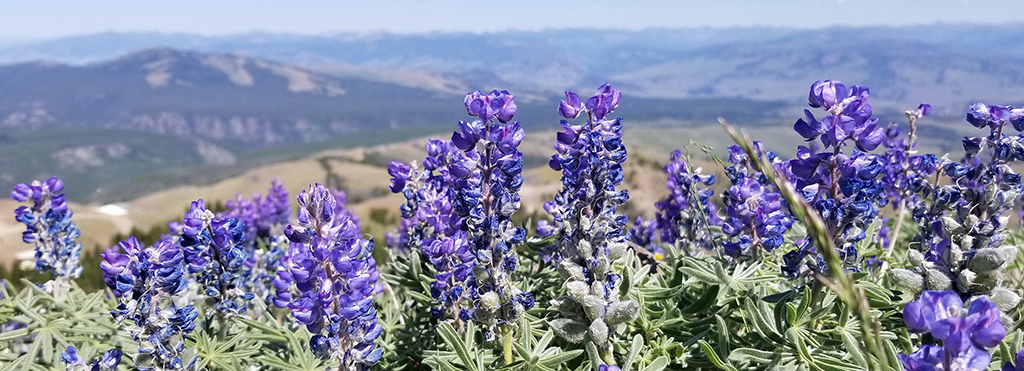
It’s been just about four months since my second rutuximab infusion. I’ve been fully off all steroids for a little over a week.
My pemphigus symptoms are staying mostly in check (knock on wood). I still get tiny, short-lasting blood blisters – mostly on my tongue – from time to time. They’re painless, but they’re a sign that pemphigus is still active in my immune system. The deepest ulcers in my mouth are continuing to heal very slowly. They’re so much better than they were, but my mouth is far from normal. I hate not being able to scrub the surface of my tongue with a toothbrush or a scraper, but the skin is just too thin and fragile.
My other main frustration continues to be the joint pain, fatigue, and muscle stiffness that are almost certainly withdrawal symptoms from my long-term steroid use. I tapered slowly under my doctor’s direction, but I’m still in quite a bit of pain. I guess if you’re on significant steroids for over a year, it takes your adrenal gland quite a while to get back to full capacity.
I recently joined a private Facebook group of pemphigus patients. Every few days there is a post about the all-over pain and fatigue after coming off steroids. From the group consensus, it sounds like a few months of suffering is the norm. Many people suggest taking NSAIDs, but I’m allergic. So, I’m just going to keep pushing through. I’ll keep my body moving with as much hiking, weightlifting, and yoga as I can comfortably do. I’ll also focus on eating healthy, whole foods. I really hope it gets better, because it’s crippling pain and hard to deal with.
The pemphigus Facebook group has turned out to be very validating and helpful. Internet support groups have been a mixed bag for me in the past – especially the lichen planus group (LP was my second incorrect diagnosis) and autoimmune protocol (AIP) diet group. Members in both of those groups could be combative and confrontational, and it had a negative impact on my mental well-being. It wasn’t everyone, but both of those groups had a few strong personalities that were very vocal and dominant. When you’re already in an emotionally vulnerable place, it’s easy for someone else’s words to tear you down.
The pemphigus groups has been full of kind and supportive people, and it’s been good to share the experience.
I see my UNC dermatologist in about two and a half weeks to determine next steps in my treatment. My ELISA bloodwork came back negative for both pemphigus desmogleins, but this test has always come up negative for me – even when I was severely symptomatic. I’ve met other pemphigus patients that have always tested negative by ELISA, so it’s not unheard of.
I’m still fighting with Anthem BC/BS to fully cover my first rituximab treatment. My policy covers it fully, but there is an administrative error or some kind of miscommunication holding up partial payment on one of my infusions. I don’t think I can schedule any additional treatment until that payment issue is resolved. It’s frustrating, because delays in treatment might allow my disease to relapse and progress. I have made so much positive progress and don’t want to backslide.

 How Weird